
Boxed wine: Value, sustainability, and why you should give it a shot
BLOG
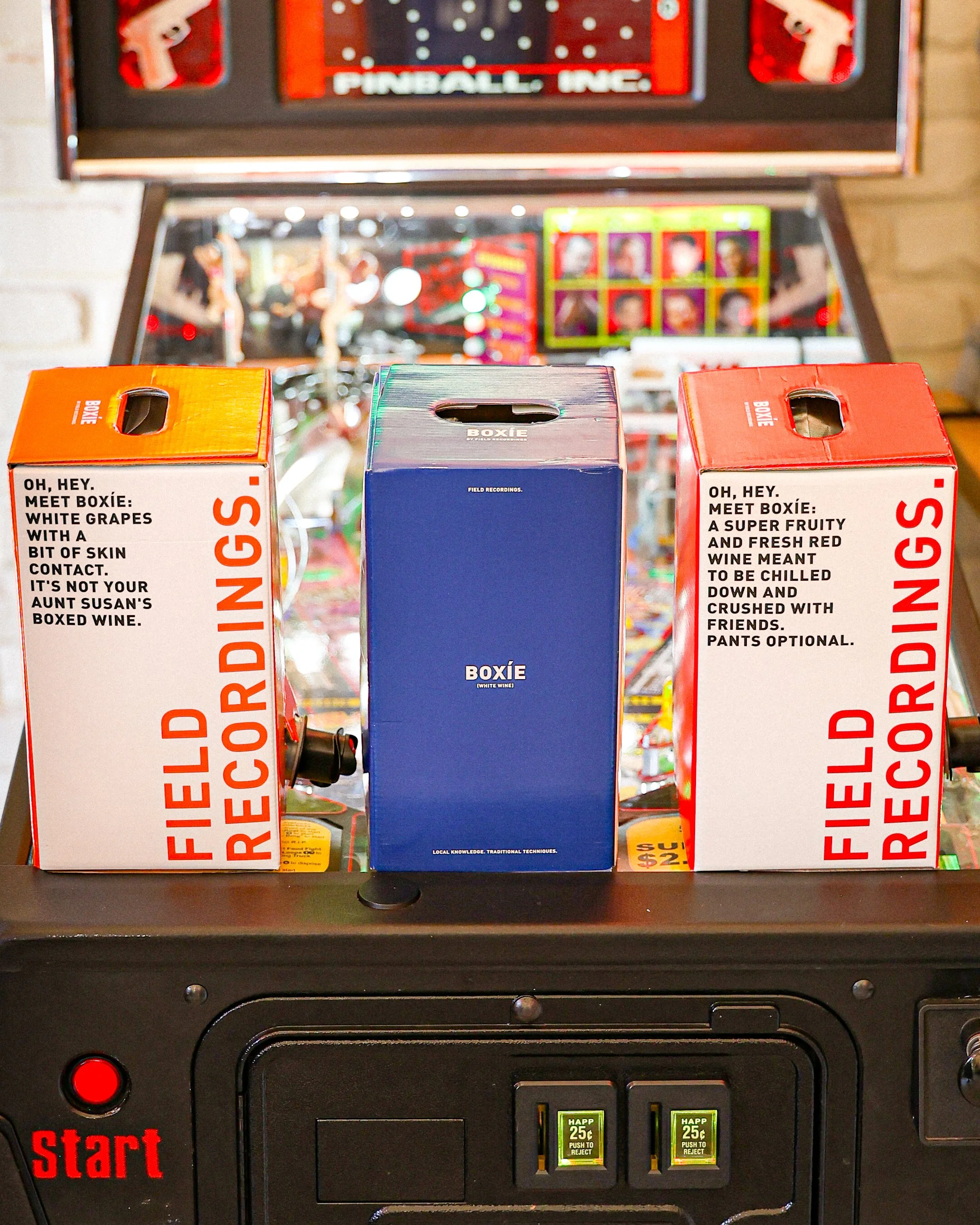
Boxed wine has developed a bit of a bad reputation over the years. The first bag-in-box products to hit the market were more focused on quantity than quality, let’s say. But we’ll admit it: Your aunt might have been onto something with that trusty box of pink wine she kept in the fridge. Today, boxed wine offers real advantages, including longer freshness, better value, and more sustainable packaging. Plus, it’s fun.
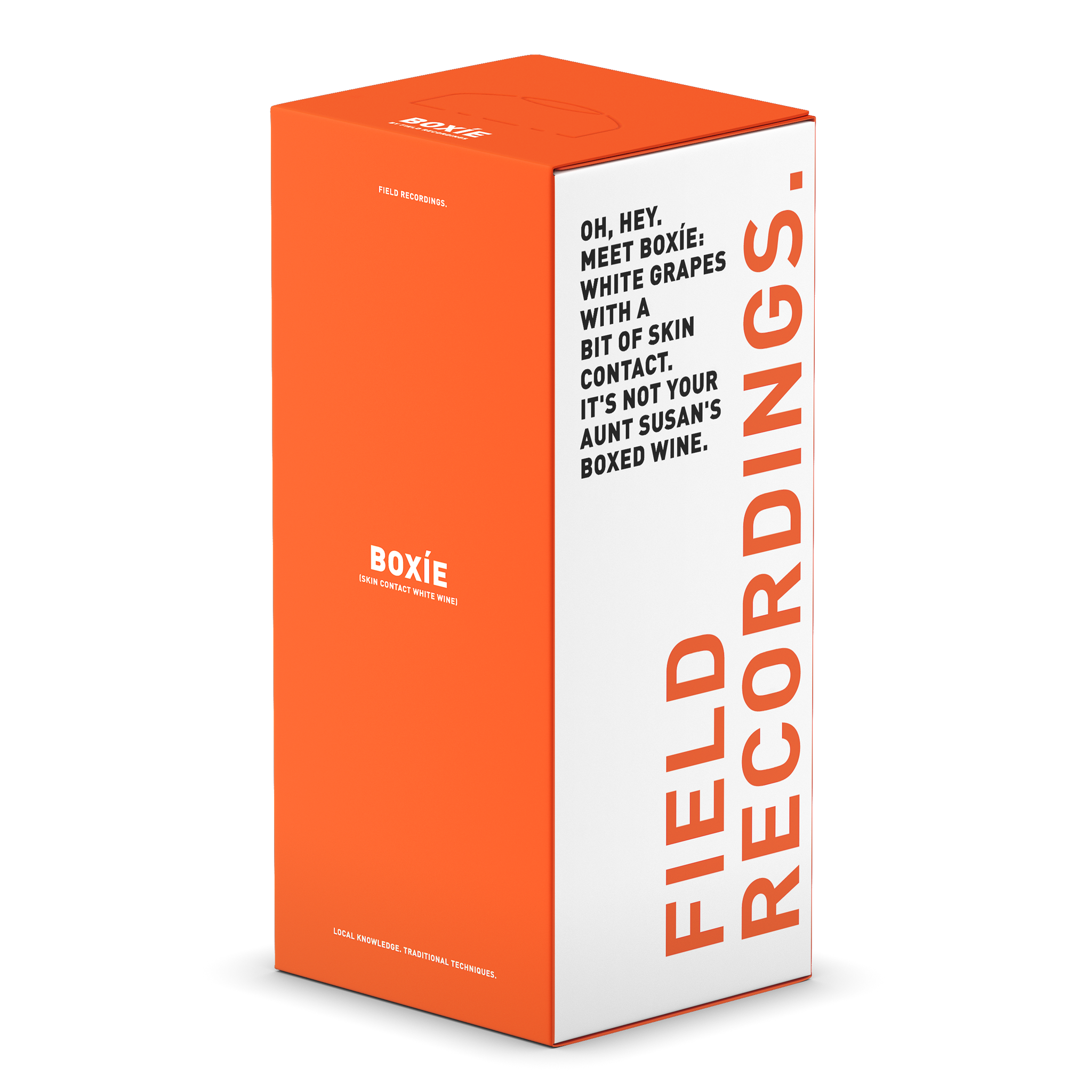
And you know we’re all about fun at Field Recordings. We’ve taken the traditional benefits of boxed wine and paired them with the high-quality, intentional winemaking practices you already know and love. A few years ago, we launched our own take on boxed wine: BOXIE, a skin-contact table wine. It quickly became one of our best sellers (and a go-to for our team). Since then, we’ve expanded the BOXIE lineup to include red, white, and rosé.
If you haven’t given boxed wine a try yet, consider this your introduction. Here’s what boxed wine is, why it’s worth your money, and what makes it a more sustainable way to enjoy wine.
What is boxed wine (and how does it work)?
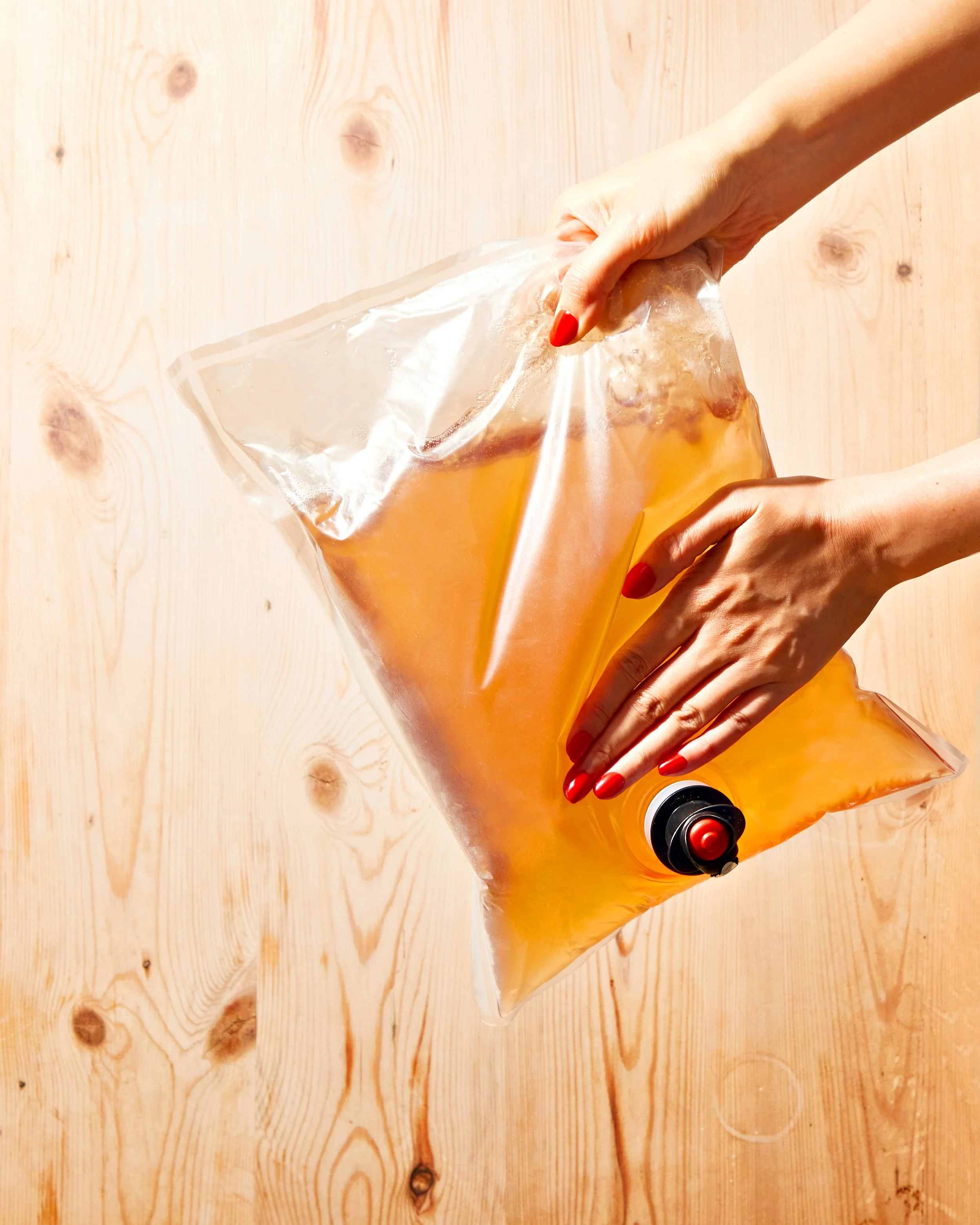
Boxed wine is wine stored in a sealed, airtight bag inside a cardboard box, often called “bag-in-box” packaging. The design is simple but effective: As you pour, the bag collapses, preventing oxygen from entering and keeping the wine fresher for longer.
The basics of bag-in-box technology:
The internal bladder (or “bib”) is airtight, protecting wine from oxygen and light exposure.
A built-in spout makes it easy to pour without removing a cork or cap.
For best results, store boxed wine in a cool, dark place (and refrigerate after opening).
Most boxed wines come in larger formats. Field Recordings’ BOXIE is 3 liters, or about four standard bottles.
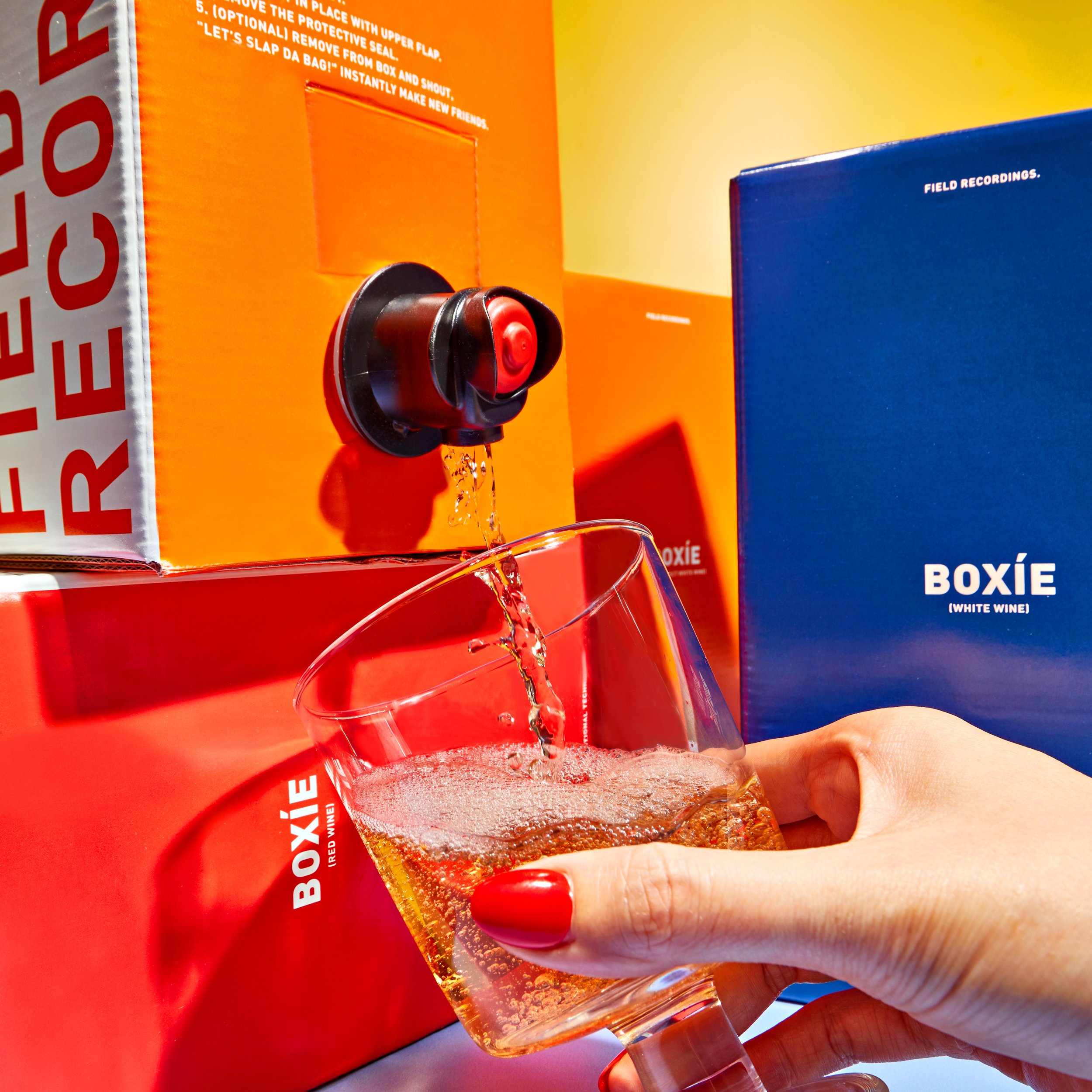
What are the benefits of boxed wine?
Boxed wine offers several advantages over traditional bottled wine, especially for everyday drinking. The airtight bag-in-box design and efficient packaging ensure your wine stays fresh longer, costs less to produce and ship, and is easier to store. These perks make boxed wine a practical and approachable option for casual wine drinkers.
Freshness, value, and convenience
Stays fresher longer. Because the wine is protected from light and oxygen, it can stay fresh for up to 90 days after opening, far longer than a typical bottle.
Enables by-the-glass drinking. Pour a single glass whenever you want, without committing to finishing a bottle.
Costs less. Boxed wine uses less expensive materials and ships more efficiently, which often translates to better value without sacrificing quality.
Easier to transport. Lightweight and compact, boxed wine is easy to pack, store, and serve. It’s perfect for gatherings, picnics, and casual get-togethers (no corkscrew required).
Beyond convenience and value, boxed wine also offers environmental benefits.
Is boxed wine more sustainable?
Boxed wine uses lighter materials and a more compact design than traditional bottled wine, which can reduce its overall environmental impact. Combined with modern, thoughtful winemaking practices, it’s often a more sustainable option for everyday consumption.
A lower-impact alternative to bottled wine
Here’s how bag-in-box packaging helps reduce environmental impact:
Uses less packaging overall compared to glass bottles
Cardboard is widely recyclable and significantly lighter than glass
Packs and ships more efficiently, reducing transportation emissions
For everyday drinking, boxed wine can offer a meaningfully lower-impact alternative to traditional bottles.
Sustainability at Field Recordings
At Field Recordings, sustainability goes beyond packaging. It’s built into how we farm and make our wines. We use minimal-intervention practices, including native yeast, no additives, and minimal sulfites. Our wines are also vegan.
Our production space was certified organic through the OTCO program in 2021.
Our estate vineyard, Loomis No. 2, is practicing organic and going through its three-year waiting period for certification.
About 45% of the vineyards we work with are practicing organic, and 40% are certified organic. The balance use sustainable practices.
Our goal is to reach 100% certified grape sourcing by 2028.
Exploring alternative packaging like boxed wine is one more way we’re working toward our sustainability goals.
What makes Field Recordings boxed wine different?
At Field Recordings, we believe great wine should be high-quality and easy to enjoy. Our winemaker, Andrew Jones, is known for pushing boundaries — whether through inventive techniques, unexpected varietals, or alternative formats — without compromising on quality. (Our OGs remember our canned wine lineup!)
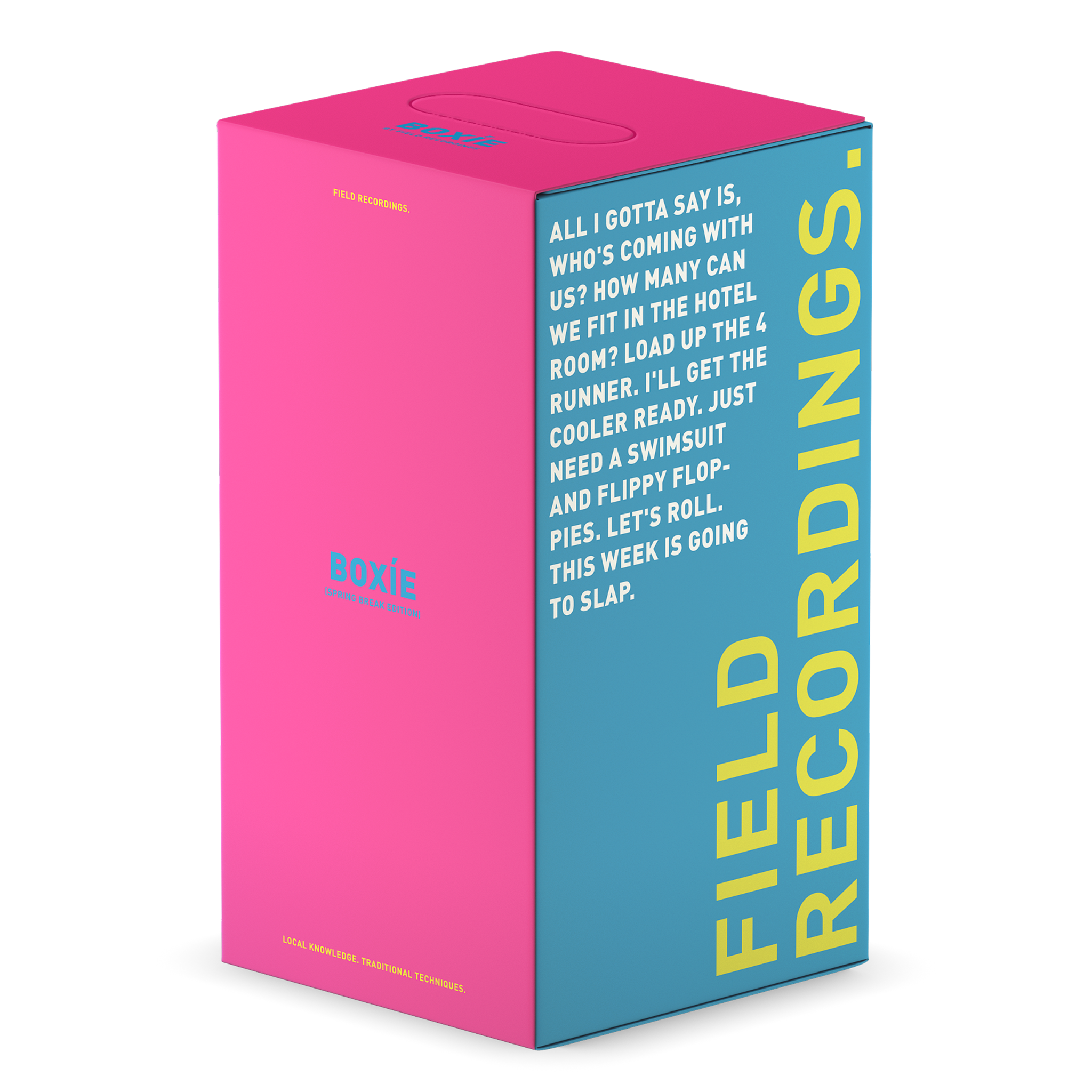
BOXIE started as an experiment: an affordable, approachable skin-contact wine designed for everyday drinking. It sold out quickly, and we’ve continued to expand the lineup ever since, adding red, white, and rosé options.
Our wines are made to be shared around picnics, dinner parties, ball games, and wherever else you feel like it. With boxed wine, we’re able to make that experience more accessible while maintaining the same craftsmanship you’d expect from any Field Recordings bottle.
So if you haven’t given boxed wine a try yet, maybe this is your sign. Open a box and pour a glass. We think you’ll be pleasantly surprised. (And if you’re feeling frisky, pop open that box to slap the bag … We promise this one will taste a lot better than your college boxed wine).
EXPLORE BOXED WINE.
Ready to give it a go? Check out our lineup of everyday boxed wines.
-
![Boxie orange]()
BOXIE ORANGE
VARIETALS
45% Gewurztraminer, 40% Chardonnay, 10% Melon, 5% Pinot GrisTASTES LIKE
Trolli Peach Rings, cantaloupe, apricots, hint of green tea and white pepper.PAIRS WITH
Beach days. hotdogs, chips, dips or maybe just a big sack of Taco Bell you grabbed on your way out. -
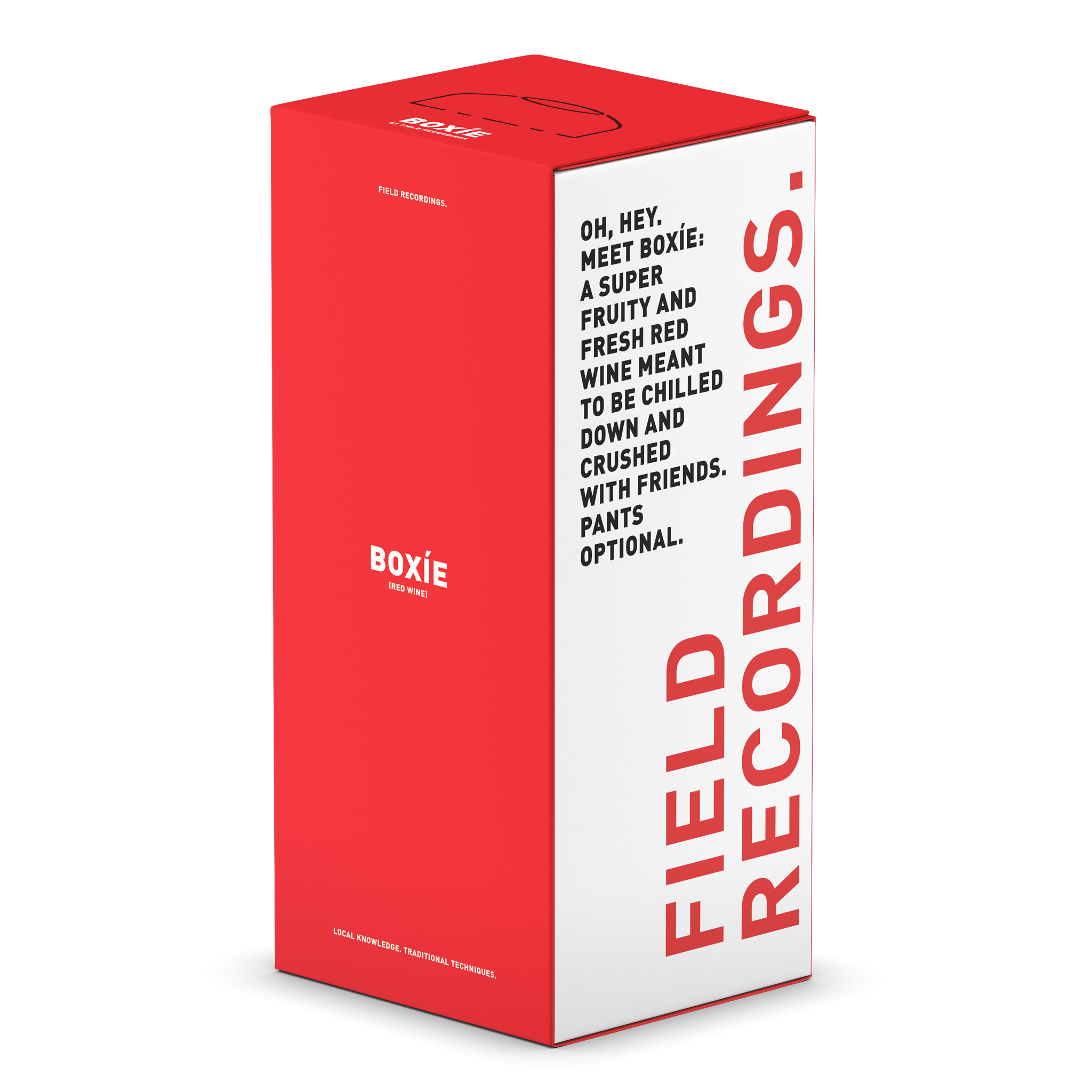
![Boxie RED]()
BOXIE RED
VARIETALS
21% Cinsaut, 17% Lagrein, 16% Cabernet Franc, 13% Charbono, 10% Cabernet Sauvignon, 9% Sangiovese, 6% Alicante Bouschet, 4% Zinfandel, 2% Grenache, 2% TrousseauTASTES LIKE
A slurry of fresh blackberry, white pepper and Rainier cherry on the nose that coats the palate with a touch of leather and granite and finishes as refreshing as blue raspberry SlurpeePAIRS WITH
Sporting events. Tailgates. Little League Games. Golf scrambles. Hide the bag under your sweatshirt on the way in. What’s the worst that could happen? -
![Boxie Rose]()
BOXIE ROSÉ
VARIETALS
100% GamayTASTES LIKE
Rainier cherry, white peach and fresh flowersPAIRS WITH
Beaches, party barges, third-row seats
FAQs
-
Bag-in-box wines are protected from light and oxygen exposure, so they stay fresh longer than bottled wines. While exact timing varies by brand, Field Recordings’ BOXIE stays fresh for up to 90 days in the fridge.
-
Yes, boxed wine can still go bad. To preserve freshness, boxed wine should be stored in a cool, dark place and consumed within about a year. Once opened, store in your fridge for up to 90 days.
-
Yes, many modern bag-in-box wines are made with the same quality standards as traditional bottled wines. Minimal intervention wineries like Field Recordings use sustainable, intentional winemaking practices in their boxed wines.